Kennington Lane Rubbish Clearance Experts in Vauxhall
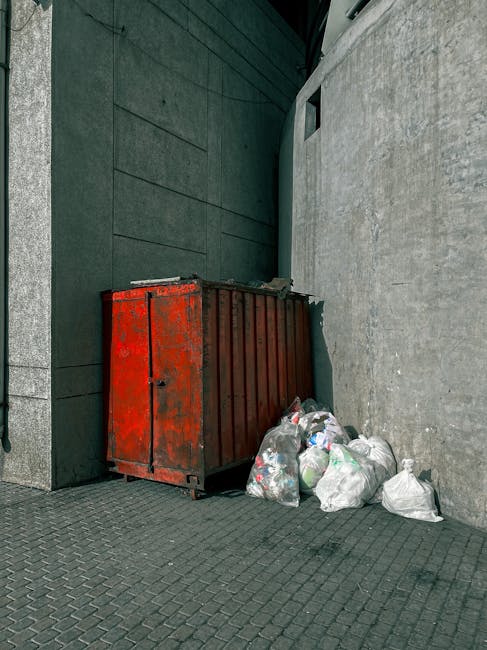
If you need reliable Kennington Lane rubbish clearance experts in Vauxhall, you are probably dealing with something a bit awkward, a bit urgent, or simply too heavy to tackle alone. Maybe it is a flat full of old furniture, a cluttered office, post-renovation rubble, or a garage that has quietly become a museum of broken odds and ends. Whatever the job, good clearance is not just about lifting things out. It is about doing it safely, quickly, and with less stress for you.
This guide explains how local rubbish clearance works, what to expect, where people often go wrong, and how to choose the right service for the job. It also covers practical decisions around waste types, recycling, access, timing, and the little details that make a clearance go smoothly instead of turning into a headache. To be fair, those details matter more than most people realise.
- Why local rubbish clearance matters
- How the clearance process works
- Key benefits and practical advantages
- Who this is for and when it makes sense
- Step-by-step guidance
- Expert tips for better results
- Common mistakes to avoid
- Tools, resources and recommendations
- Law, compliance and best practice
- Options, methods and comparison
- Case study or real-world example
- Practical checklist
- Conclusion
- Frequently asked questions
Why Kennington Lane Rubbish Clearance Experts in Vauxhall Matters
Rubbish clearance sounds simple until you are standing in a hallway with a wardrobe that will not fit through the door, or staring at a pile of mixed waste after a busy move. In a local area like Vauxhall, access can be tight, parking can be a bit of a puzzle, and many properties have shared entrances, stairwells, or loading restrictions that make DIY clearance awkward at best.
That is why working with experienced clearance professionals matters. It is not only about speed. It is about judgement. A good team can look at a site and quickly work out what needs to go, how it should be separated, whether anything needs special handling, and how to move everything without causing damage. You will notice the difference immediately: less noise, less mess, less back-and-forth.
There is also the issue of waste responsibility. Different materials need different handling, and not everything can just be bundled into one load. Old appliances, mattresses, broken furniture, construction offcuts, and confidential papers each bring their own considerations. A proper clearance approach reduces the chance of mistakes, protects your property, and helps keep unwanted waste out of the wrong disposal route.
For local homes and businesses, that brings a few simple but important benefits:
- Less disruption to your day
- Cleaner, safer spaces
- Better handling of bulky or awkward items
- More confidence that waste is dealt with properly
- Less risk of injury, damage, or missed items
If you want a broader overview of service options, the general waste removal page is useful background reading, especially if your job includes mixed household or business waste.
How Kennington Lane Rubbish Clearance Experts in Vauxhall Works
Most clearances follow a fairly straightforward sequence, but the quality comes from how carefully each step is managed. In practice, a professional team will usually begin by understanding the volume and type of waste, then planning the safest route for removal. That may sound obvious, yet it saves time and prevents those small disasters that happen when someone guesses instead of measuring properly.
A typical process looks like this:
- Initial assessment: You describe the items, access points, and any tricky parts such as stairs, parking, lift access, or fragile surfaces.
- Clear quote or estimate: The team prices the work based on volume, labour, and any special handling needs.
- Arrival and checking: On the day, the crew confirms what is to be removed and checks access before lifting begins.
- Careful sorting: Reusable, recyclable, and specialist items are separated where appropriate.
- Removal and loading: Items are carried out efficiently, with care around walls, floors, and shared spaces.
- Final sweep-up: The area is left tidy, not perfect like a showroom, but properly cleared and ready for the next step.
For larger jobs, different service types may be combined. A property clearance might include house clearance, flat clearance, or even home clearance, depending on the setting and how much needs to go. If you are dealing with office furniture, archived paper, or old equipment, office clearance is often the better fit.
There is one practical point worth saying out loud: a good team does not just grab everything and leave. They think about what can be reused, recycled, or handled separately. That extra judgement is where real value sits.
Key Benefits and Practical Advantages
People often search for rubbish clearance because they need a mess gone quickly, but the strongest reasons go beyond speed. The right service can make a genuinely stressful job feel manageable. And when you are juggling work, family, deadlines, or a move, manageable is a big deal.
Here are the benefits that tend to matter most in real life:
- Time savings: What might take you a whole weekend can often be handled in a single visit.
- Less physical strain: Heavy lifting is not for everyone, and frankly some items are just awkward no matter how fit you are.
- Reduced damage risk: Narrow hallways, staircases, and door frames are easier to protect when a crew knows what it is doing.
- Better sorting: Items can be separated for disposal routes more intelligently than a one-size-fits-all approach.
- Cleaner finish: A tidy sweep-up at the end saves you from dealing with dust, splinters, and loose debris afterwards.
- Less stress: You do not need to hire equipment, recruit friends, or figure out where the waste goes.
For bulky household items, there is also the convenience factor. Services such as furniture clearance, mattress and sofa disposal, and fridge and appliance removal exist because these items are not easy to shift responsibly on your own.
In our experience, the biggest benefit is often the simplest one: you get your space back. A clear room changes how a property feels. It feels lighter. Easier. Less stuck.
Who This Is For and When It Makes Sense
Rubbish clearance is not only for big clear-outs. It is for anyone who has items they cannot, should not, or do not want to remove themselves. That includes landlords, homeowners, tenants, office managers, tradespeople, and people preparing a property for sale or letting.
It makes sense when:
- You have bulky items that are hard to move safely
- You need a property cleared before a deadline
- You are dealing with mixed waste after decorating or building work
- You want a faster and more orderly alternative to doing it yourself
- You need help with sorting items that need special disposal
Some common scenarios include end-of-tenancy clearances, probate-related property clearances, office refits, garage clear-outs, and post-renovation waste. A cluttered loft can also be a classic case. One minute it is "just a few boxes"; the next, you are crawling around in dust, trying to remember what is even up there. That is usually the point where people decide they would rather not spend the whole Saturday doing it alone.
If your job involves outdoor waste, green waste, or broken shed materials, garden clearance and garage clearance may be more appropriate than a general clearance. For attic storage or long-neglected spaces, loft clearance is usually the better match.
Step-by-Step Guidance
If you want a smooth clearance, a little preparation helps a lot. You do not need to do the hard work yourself, obviously, but a clear plan makes the whole process easier and often quicker.
- Walk through the space: Make a quick list of the items to remove and anything that should stay behind.
- Separate special items: Put aside anything that may need extra care, such as appliances, confidential paperwork, or potentially hazardous materials.
- Check access: Look at parking, stairways, lifts, loading points, and any building rules that may affect the job.
- Choose the right service: Decide whether you need a general collection or a more specific service like builders waste, furniture, or office clearance.
- Confirm timing: Choose a slot that works with neighbours, work hours, or tenancy deadlines.
- Be clear on scope: Tell the team exactly what is included so nothing useful gets taken by mistake.
- Review the finish: Once the items are gone, check the space before the team leaves.
A simple example: if you are clearing a two-bedroom flat after a move, you might combine flat clearance with furniture disposal for sofas, beds, and wardrobes. If the same flat has a broken freezer in the kitchen and boxes of paperwork in a cupboard, the job becomes more specific. Nothing wrong with that. It just needs the right plan.
Here is the quiet secret: the more clearly you define the job, the less chance of surprises. And surprises are rarely fun when the surprise is a heavy cabinet on a third-floor landing.
Expert Tips for Better Results
The best clearances feel calm, almost boring from the outside. That is a good thing. They are calm because the details were handled before anyone started lifting.
These tips usually make a real difference:
- Take photos before booking: A few well-lit pictures help assess the volume and type of waste.
- Keep pathways clear: Even a small amount of clutter in a hallway can slow everything down.
- Flag fragile areas: Mention freshly painted walls, narrow turns, or low ceilings early.
- Identify electrical items: Appliances and gadgets may need separate handling, especially if damaged.
- Don't mix everything together: If you can separate obvious categories beforehand, the process is easier.
- Ask about recycling: It is worth understanding how reusable or recyclable items are treated.
If you are managing a business site, business waste removal is a useful option when you need regular or larger-scale help. For builders and contractors, builders waste clearance is usually the right route when dealing with rubble, packaging, timber offcuts, or mixed site waste.
A small but valuable tip: measure large items against doorways before the day of clearance. It only takes a minute, and it can save a lot of standing around with a puzzled expression. Happens more than people admit.
Common Mistakes to Avoid
Most problems with rubbish clearance are avoidable. That is the good news. The bad news is that the same few mistakes keep showing up again and again.
- Underestimating volume: A few "extra" bags can change the job more than expected.
- Forgetting access issues: Parking, lifts, and stairs can affect timing and labour.
- Mixing unsuitable items: Not everything belongs in the same load.
- Leaving sorting too late: If you need to keep certain items, set them aside clearly.
- Choosing purely on price: Cheapest is not always best, especially if the service is rushed or vague.
- Not asking about insurance: Accidents are rare, but they are easier to manage when the provider is properly prepared.
There is also a subtle mistake people make: they assume all waste looks the same once it is in a pile. It does not. A pile of mixed waste can hide sharp edges, broken glass, damp materials, or items that need separate handling. That is where experience earns its keep.
If you are not sure what belongs where, a useful reference point is the site's what can go in a skip guidance, which is handy for understanding common sorting limits, even if you are not booking a skip.
Tools, Resources and Recommendations
You do not need a van full of equipment to prepare for a clearance, but a few basics help. The aim is simply to make the job safer and clearer for everyone involved.
Useful things to have on hand include:
- Strong bin bags or rubble sacks for smaller loose items
- Labels or sticky notes for items to keep
- Gloves if you are sorting through dusty storage
- Tape or string for bundling loose materials
- A phone camera for quick photos of bulky items
- Basic measurements for doors, lifts, and awkward corners
For peace of mind, it is also worth reviewing the company's policies and service information before booking. Pages such as pricing and quotes, payment and security, and insurance and safety help set expectations. If your clearance touches on privacy-sensitive material, confidential shredding is a practical related service to consider.
It is also sensible to look at broader service information such as about us and recycling and sustainability so you understand how the company works and what happens after the items leave the property.
Law, Compliance, Standards, or Best Practice
Clearance work in the UK is expected to follow sensible waste-handling practice, and good providers should behave accordingly. You do not need to become a legal expert to book a clearance, but you should know the basics so you can ask the right questions.
In practical terms, that means:
- Waste should be handled responsibly and not dumped unlawfully
- Hazardous items need special care, not guesswork
- Workers should use safe lifting and moving methods
- Property access should be respected, especially in shared buildings
- Confidential or personal paperwork should be dealt with securely
For particularly sensitive waste, such as damaged chemicals, old paint, or similarly risky materials, a specific solution like hazardous waste disposal is the sensible option. Likewise, if the job involves broken white goods or kitchen appliances, separate appliance handling may be needed rather than putting everything in one pile and hoping for the best. Not ideal. Not at all.
Best practice also means clear communication and honest scope-setting. If a provider cannot explain how they handle different waste types, that is a red flag. The same goes for vague promises that sound too neat. Good operators tend to be straightforward, maybe a little plain-spoken, but reliable.
Options, Methods, or Comparison Table
There are a few different ways people deal with rubbish and bulky waste. The right choice depends on time, item type, access, and how much effort you want to take on yourself.
| Method | Best for | Advantages | Things to watch |
|---|---|---|---|
| Professional rubbish clearance | Mixed loads, bulky furniture, quick turnarounds | Fast, hands-off, less lifting, tidy finish | Needs clear access and accurate description |
| Skip hire | Ongoing projects with steady waste generation | Useful for multi-day jobs and self-loading | Requires space, permits may apply, loading is on you |
| Self-removal | Small loads and simple items | Can be cheap if you already have transport | Time-consuming, physically demanding, less convenient |
| Specialist disposal | Appliances, confidential waste, hazardous items | Proper handling for specific materials | Must match the item type exactly |
If you are unsure which route fits, the simplest test is this: do you want to load it yourself, or would you rather have someone else come in and sort it out efficiently? That answer usually points you in the right direction.
For some jobs, a clearance service plus a specific item removal page is the best combination. For instance, a furnished flat might need furniture removal, while a business premises may benefit from both office clearance and wider waste removal. It is flexible, and that flexibility is often what makes the service useful.
Case Study or Real-World Example
Here is a realistic example. A small rented flat near Kennington Lane is due to be handed back by Friday afternoon. The tenant has already moved out, but there is still a sofa, a broken shelving unit, two mattresses, a fridge, and several bags of mixed household waste. The lift is small, the stairwell is narrow, and the building has quiet hours that make noisy dragging a bad idea.
In that situation, a sensible clearance plan would combine mattress and sofa disposal, fridge and appliance removal, and possibly broader flat clearance. The team would confirm access, protect the hallway where needed, remove the items in an orderly sequence, and finish with a tidy sweep-up.
The result is not dramatic, but it is the sort of practical outcome people really want: the property is cleared in time, the landlord can inspect it, and nobody spends the evening wondering how to fit a fridge into a hatchback. Which, let's face it, would be a terrible idea.
That is the real value of experienced clearance work. It turns a messy, uncertain task into something organised and finished.
Practical Checklist
Use this checklist before your clearance appointment. It keeps the process cleaner and cuts down on confusion on the day.
- List the items: Write down exactly what is staying and what is going.
- Separate valuables: Remove documents, keys, chargers, and personal belongings.
- Identify special waste: Flag anything fragile, heavy, electrical, or potentially hazardous.
- Check access: Confirm parking, gates, lifts, stairways, and any building rules.
- Take photos: Capture the main load from a few angles.
- Measure large items: Useful for wardrobes, appliances, and bulky furniture.
- Tell neighbours if needed: Especially in shared buildings where access may be tight.
- Review quote details: Make sure the scope and timing are clear.
- Choose the right service type: General waste, furniture, builders waste, or office clearance.
- Check the finish: Walk through once the job is done.
Small preparation can make a surprisingly big difference. A clear space, a clear list, and a clear route in and out. Simple, but effective.
Conclusion
Kennington Lane rubbish clearance experts in Vauxhall are there to make one of those awkward life admin jobs feel easier, safer, and more manageable. Whether you are clearing a flat, shifting old furniture, dealing with builders waste, or emptying a cluttered storage space, the right team brings order to the mess.
The best results come from clear communication, sensible preparation, and choosing the right service for the job. If you focus on access, item type, and a realistic plan, the whole process becomes far less stressful than trying to do it all yourself at short notice. That is usually the difference between a frantic day and a smooth one.
If you are ready to move from "I really need to sort this" to "that's done," start with the service information that best matches your load, then choose the next step that feels easiest. A little clarity now saves a lot of faff later.
Get a free quote today and see how much you can save.
And if today's the day you finally clear that space, good. That's one less thing hanging over you.
Frequently Asked Questions
What do Kennington Lane rubbish clearance experts in Vauxhall usually remove?
They typically remove mixed household waste, old furniture, appliances, bagged rubbish, garage clutter, loft items, office contents, and debris from decorating or light building work. The exact load depends on the service booked.
Is rubbish clearance better than skip hire for a flat in Vauxhall?
Often, yes, if access is tight or you want the waste removed quickly without loading it yourself. Skip hire can suit longer projects, but clearance is usually easier for flats, busy roads, and properties with limited space.
How do I know which clearance service I need?
Choose the service that best matches the main type of waste. For example, furniture jobs fit furniture removal, building leftovers fit builders waste clearance, and business premises may need office or business waste removal.
Can I mix furniture and general rubbish in the same clearance?
Usually, yes, if the provider accepts mixed loads. It is still best to mention the main item types in advance so the team can plan for lifting, sorting, and disposal properly.
What should I do before the team arrives?
Separate anything you want to keep, clear access routes, identify any fragile or special items, and take photos of bulky loads if needed. A bit of prep goes a long way.
Do I need to be present during the clearance?
That depends on the arrangement and access. Many people prefer to be there at the start to confirm the scope, then step away while the work is carried out. For some properties, a trusted key holder may be enough.
How are old appliances handled?
Appliances are usually collected separately or with specific handling in mind, especially if they are large or damaged. Fridges, freezers, and similar items can need extra care, which is why appliance removal is often best treated as its own part of the job.
What happens to confidential papers or documents?
If confidential waste is involved, it should be handled securely rather than tossed into general rubbish. A dedicated confidential shredding service is the sensible option when privacy matters.
Are there items that need special disposal?
Yes. Hazardous materials, certain chemicals, some paints, and other risky items should not be treated like ordinary rubbish. If you are unsure, ask before booking so the provider can advise on the right approach.
How long does a typical rubbish clearance take?
It depends on the amount, the access, and the type of waste. A small clearance may be done fairly quickly, while larger or more awkward jobs naturally take longer. Flat access, stairs, and parking can all affect timing.
Can I get help with just one large item?
Yes, in many cases. A single sofa, mattress, wardrobe, or appliance can still be worth arranging for professional removal if it is heavy, awkward, or difficult to transport safely.
How can I keep costs sensible?
Be accurate about the waste volume, mention any access issues early, and separate anything you are keeping. Clear information helps avoid surprises and makes it easier to quote fairly for the actual work needed.
What is the best next step if I am ready to book?
Review the service pages that match your waste type, check the pricing and booking details, and then send a clear description of the job. If needed, you can also revisit the company information to understand how the service is run before you confirm anything.