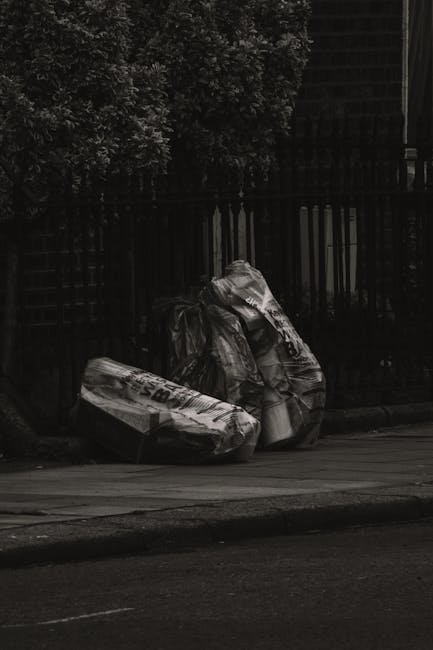
Avoid Hidden Rubbish Removal Charges in Vauxhall

If you have ever booked a clearance job and then seen the final bill creep up, you will know how frustrating hidden rubbish removal charges can be. In Vauxhall, where flats, terraces, offices, and building projects all generate different kinds of waste, the risk is very real. A quote that looks fine at first can change once the team arrives, weighs the load, or decides something counts as a "special item".
This guide explains how to avoid hidden rubbish removal charges in Vauxhall without making the process complicated. You will learn what to check before booking, how pricing usually works, which extras catch people out, and how to compare services with a clear head. There is also a practical checklist, a comparison table, and a few real-world examples so you can spot the traps before they cost you money. Let's face it, nobody enjoys arguing over a waste bill at the end of a long day.
Why Avoid Hidden Rubbish Removal Charges in Vauxhall Matters
Hidden charges matter because rubbish removal is often booked under pressure. Maybe you are clearing a flat before a move, sorting a garage after months of postponing it, or getting rid of builder's debris that is blocking the next trade on site. In those moments, it is easy to accept the first quote that sounds reasonable. That is exactly when extras tend to appear.
In Vauxhall, many properties have tight access, shared entrances, basement storage, or parking constraints. Those practical details can affect loading time and disposal planning, but they should be explained upfront. If they are not, you may end up paying more for stairs, carry distance, waiting time, or restricted access after the team has already arrived.
It also matters because rubbish removal prices are not one-size-fits-all. A sofa, a mattress, a broken fridge, and a bag of mixed household waste are all different operationally. If a company is vague about what is included, the final invoice can become a guessing game. Nobody wants that. A clear, fair quote should feel boring in the best possible way.
For readers who want to understand pricing structures in more detail, the pricing and quotes page is a sensible place to start before you commit.
How Avoid Hidden Rubbish Removal Charges in Vauxhall Works
The basic idea is simple: you compare the actual scope of the job against the quote, and you make sure the quote reflects the real-world load. Sounds obvious, but the tricky part is that many charges are not hidden because they are illegal or unusual. They are hidden because they were never discussed clearly enough.
Most rubbish removal quotes are shaped by a few core factors:
- the volume of waste, often measured by load size or van space
- the type of waste, such as general rubbish, furniture, builders' waste, appliances, or heavy materials
- access conditions, including stairs, parking, lifts, and distance from the vehicle
- time on site, especially for larger or awkward clearances
- special handling requirements for items that need separate disposal
The safest way to avoid unpleasant surprises is to describe the job in plain English. For example: "one three-seater sofa, one broken chest of drawers, six bin bags, and a fridge from a second-floor flat with no lift." That is far more useful than saying "a bit of rubbish".
If you are dealing with a mixed household clearance, you may find the information on house clearance and home clearance helpful, especially when you are trying to separate ordinary clutter from items that may need extra handling.
One practical point: a proper quote process should feel like a conversation, not an ambush. If someone rushes you, avoids specifics, or refuses to explain what is excluded, that is a warning sign. Simple as that.
Key Benefits and Practical Advantages
Getting pricing right is not just about saving a few pounds. It changes the whole experience. When the numbers are clear, the job tends to run smoother, quicker, and with less stress.
- Cleaner budgeting: you know what the job should cost before the team arrives.
- Less dispute risk: you are not relying on assumptions or vague wording.
- Faster decisions: clear pricing makes it easier to choose between clearance options.
- Better planning: you can decide whether to sort, stack, or separate items before collection.
- More suitable service matching: the right provider for furniture, builder's waste, or office rubbish becomes easier to identify.
There is also a quieter benefit: peace of mind. When you know the price is properly explained, you stop second-guessing every small detail. That matters more than people admit. Especially if you are already dealing with a move, an office refit, or a property turnaround deadline.
For bulky items, a service such as furniture clearance can be a better fit than trying to bundle everything into a general rubbish collection. And if you are specifically disposing of a sofa or mattress, look at mattress and sofa disposal so you can see how item-specific handling may affect the price.
Who This Is For and When It Makes Sense
This topic matters to a lot of people, not just property managers or builders. If you are in Vauxhall and you have waste to move, you probably need to understand pricing a bit better than you do right now.
It is particularly relevant for:
- flat renters who need a last-minute clear-out before check-out
- homeowners dealing with accumulated clutter, old furniture, or loft contents
- landlords preparing a property for re-let
- office managers removing desks, chairs, files, or general office waste
- builders and tradespeople clearing rubble, timber, packaging, and site debris
- business owners who need a one-off waste solution without surprises
The challenge is different for each group. A landlord may care about speed and paperwork. A builder may care about weight and access. A resident in a Victorian flat may care about stair carry and how long the team needs to navigate the building. Same service category, different risks.
If that sounds familiar, the most relevant service pages can help you match the job to the right kind of clearance. For example, flat clearance suits compact or upper-floor properties, while builders waste clearance is better for construction-related debris. And for recurring commercial needs, business waste removal may be the more practical option.
Step-by-Step Guidance
- List everything that needs removing. Be specific. Include quantity, size, weight if relevant, and whether anything is broken, heavy, or awkward.
- Separate ordinary waste from special items. Appliances, mattresses, fridges, and hazardous items can be treated differently. Mixing them into one vague pile is where bills start to wobble.
- Check access details. Think about stairs, lift availability, parking, loading distance, and whether the team can park close to the property. Vauxhall streets and shared entrances can make this more important than people expect.
- Ask what is included in the quoted price. Does it cover labour, loading, disposal, congestion, parking, and VAT if applicable? If not, ask what could be added later.
- Request clarification on extra charges. Ask directly about delays, extra volume, heavy items, and restricted access. This is not awkward. It is sensible.
- Compare like with like. Two quotes may look different because one includes more than the other. Compare the actual service scope, not just the headline number.
- Confirm the booking details in writing. Even a simple email or booking summary helps reduce confusion later.
- Prepare the waste before arrival. If safe to do so, group items together and clear a path. That can save time and, in some cases, money.
A small aside: one of the easiest ways to make a clearance job feel expensive is to make it harder than it needs to be. Hidden charges often feed on uncertainty, and uncertainty likes chaos. So a bit of prep goes a long way.
Expert Tips for Better Results
Here are the habits that tend to separate a smooth clearance from an annoying one.
- Use photos, but do not rely on them alone. Photos are useful, yet they do not always show access issues or hidden waste behind cupboards, beds, or storage units.
- Be honest about the volume. If the load may spill over into another van size, say so. Understating the job is a fast route to price friction.
- Ask about segregated items. Some waste streams are better handled separately, particularly appliances or potentially hazardous materials.
- Choose clarity over speed. A fast quote is only useful if it is accurate. Otherwise it is just a nice-sounding number.
- Check how the provider handles recycling. If a company takes sorting seriously, that often tells you something about how carefully they work overall. You can read more on recycling and sustainability.
- Keep an eye on payment terms. Make sure you understand how payment works, what methods are accepted, and when the bill becomes due. The payment and security page is useful for this kind of reassurance.
If the waste includes a fridge, freezer, washing machine, or another bulky appliance, take a look at fridge and appliance removal. Those items often sit outside standard mixed-load assumptions, which is where pricing confusion tends to creep in.
Another good habit: ask one simple question before booking - "What would make this price change?" If the answer is vague, you probably need a more detailed quote. That one question can save a lot of grief later.
Common Mistakes to Avoid
Most hidden-charge problems are avoidable. Really, they are. The trouble is that people often make the same few mistakes under time pressure.
- Giving a vague description of the waste. "A few bits" is not enough.
- Forgetting access constraints. Stairs, parking restrictions, and long carry distances change the job.
- Not checking what is excluded. Exclusions are where extra charges hide.
- Assuming all bulky items are priced the same. They are not.
- Ignoring special handling requirements. Hazardous or confidential material may need separate treatment.
- Choosing a quote that is unusually low without asking why. Cheap can be fine. Suspiciously cheap needs a second look.
There is also the classic mistake of booking too late. If you need same-day collection and you have not prepared the waste or checked access, it can force a rushed arrangement with little room to challenge extras. That is when people feel cornered. Better to slow down for five minutes than argue for fifty.
For property clearances, useful supporting pages include garage clearance, loft clearance, and office clearance. Each one has different practical expectations, and matching the service to the waste type reduces the chance of extra charges later.
Tools, Resources and Recommendations
You do not need specialist software to avoid hidden rubbish removal charges. A notebook, a camera, and a sensible checklist will do most of the heavy lifting.
- Photo log: take pictures of the waste from a few angles before booking.
- Room-by-room list: useful for home and flat clearances, especially where clutter is spread around.
- Item count: note the number of bags, boxes, and large items.
- Access notes: record stair counts, lift availability, parking limitations, and any narrow entrances.
- Quote comparison sheet: jot down what each provider includes and excludes.
If you are unsure whether something should go in a skip or be collected separately, the guide on what can go in a skip is a useful reference point. It helps you think through the shape of the waste before you commit to a method.
And if your clearance is part of a bigger property tidy-up, services like garden clearance, furniture disposal, or home clearance can help you structure the job more sensibly. The point is not to use every page. It is to choose the one that fits the work, not the other way round.
Law, Compliance, Standards, or Best Practice
When rubbish is removed in the UK, basic duty of care principles matter. In plain English, waste should be handled responsibly, moved to appropriate facilities, and dealt with in line with accepted practice. You do not need to become a compliance expert, but you should expect a provider to work safely, lawfully, and transparently.
That means a few sensible things:
- clear pricing terms, without misleading add-ons
- safe handling of heavy, sharp, or awkward items
- appropriate treatment of hazardous materials, where relevant
- respect for privacy when handling paperwork, records, or business waste
- proper insurance and safety awareness on site
For sensitive paperwork or files, a specialist approach such as confidential shredding is often more appropriate than a general clearance. For materials that may pose health or environmental risks, hazardous waste disposal is the safer route.
It is also worth checking a provider's own policies, because they reveal how seriously the business takes day-to-day practice. Pages such as health and safety policy, insurance and safety, and terms and conditions can help you understand the rules before you book. A small amount of reading now can prevent a larger misunderstanding later.
Options, Methods, or Comparison Table
There is more than one way to get waste removed in Vauxhall, and the best choice depends on volume, urgency, and the type of waste. Here is a simple comparison to help you think it through.
| Method | Best for | Potential hidden-cost risk | Best practice |
|---|---|---|---|
| General rubbish removal | Mixed bags, small household clearances, simple one-off jobs | Volume changes, access fees, excluded items | Describe the load clearly and confirm what is included |
| Furniture-specific clearance | Sofas, wardrobes, tables, bulky household items | Heavy lifting, dismantling, stairs, awkward entryways | List each item and mention floor level and access details |
| Builders waste clearance | Rubble, timber, plasterboard, renovation debris | Weight-related changes, contaminated materials, loading time | Separate clean waste from mixed construction debris where possible |
| Office clearance | Desks, chairs, archive boxes, out-of-date equipment | Confidential material, electronics, building access | Flag any sensitive documents and plan the collection route |
| Appliance removal | Fridges, freezers, washing machines, cookers | Special handling and disposal requirements | Confirm how the appliance will be processed before booking |
To be fair, the cheapest route is not always the smartest one. If a job is awkward, bulky, or time-sensitive, a more tailored service often ends up being better value because it reduces the chance of add-on fees. That is the bit people only learn after a bad experience. Annoying, but true.
Case Study or Real-World Example
Here is a realistic example based on the kind of situation that comes up often in Vauxhall.
A tenant in a second-floor flat needed a clearance after moving out. The job included a bed frame, mattress, old kitchen chairs, seven bags of mixed rubbish, and a fridge stored in a narrow hallway. The first quote they received sounded low, but it did not mention access, appliance handling, or extra labour for carrying items down two flights of stairs. A second provider gave a fuller explanation and asked for photos, floor level, and parking details before confirming the price.
The difference was not just the number on the page. It was the certainty. Once the load was described properly, the job became straightforward, the team arrived expecting the actual work, and there was no awkward negotiation at the door. That is the whole game, really. Accuracy first, everything else second.
This kind of approach is especially useful for clearances involving mixed furniture and household waste. In that situation, related services like flat clearance or house clearance can give you a better framework than a vague "rubbish collection" label.
Practical Checklist
Use this checklist before you confirm any rubbish removal booking in Vauxhall.
- Have I listed every item that needs removing?
- Have I separated general waste from furniture, appliances, or hazardous items?
- Have I explained access conditions, stairs, parking, and carry distance?
- Have I asked what the quote includes and excludes?
- Have I checked whether there are extra charges for heavy, bulky, or awkward items?
- Have I asked how the company handles recycling or disposal?
- Have I read the terms and conditions before booking?
- Have I confirmed payment terms and any security information?
- Have I taken photos in case I need to clarify the load later?
- Have I chosen the right service type for the waste I actually have?
If you can tick most of those off, you are in a much better position to avoid surprise charges. And if a quote still feels unclear, trust that instinct. It is usually trying to help.
Get a free quote today and see how much you can save.
Conclusion
Hidden rubbish removal charges in Vauxhall are usually not mysterious. They grow out of vague descriptions, rushed bookings, poor access detail, or quotes that leave too much unsaid. The good news is that you can avoid most of them with a simple process: describe the job clearly, ask what is included, compare like with like, and choose the right service for the waste you actually have.
When you do that, rubbish removal becomes much easier to manage. Less stress, fewer surprises, better value. Not flashy, but very effective.
If you are planning a clearance and want the process to feel calm rather than chaotic, start with clarity and keep it practical. That alone will save you more hassle than you might expect. A tidy quote is a good sign. A tidy job is even better.
Frequently Asked Questions
What counts as a hidden rubbish removal charge?
A hidden charge is any extra fee that was not made clear when you received the quote. Common examples include access fees, heavy-item surcharges, extra labour, or excluded waste types being added later.
How can I compare rubbish removal quotes properly?
Compare the full service, not just the headline price. Check what is included, what is excluded, whether labour and disposal are covered, and whether access details could change the final bill.
Do photos always give an accurate quote?
Photos help, but they do not always show the full story. Stairs, parking restrictions, narrow corridors, and hidden items can change the job even when the pictures look straightforward.
Why do bulky items cost more to remove?
Bulky items usually take more time, more lifting, and sometimes special disposal handling. Sofas, mattresses, and appliances are common examples where the work is more involved than it first appears.
Is it cheaper to sort waste before collection?
Often, yes. If you separate waste into clearer groups, it can make quoting simpler and reduce the chance of last-minute adjustments. It also helps the team work faster on the day.
What should I tell the removal company before booking?
Give a clear list of items, quantity, property type, floor level, parking limitations, and whether anything is particularly heavy, fragile, or restricted. The more accurate the detail, the better the quote usually is.
Are fridge and appliance removals treated differently?
Yes, they often are. Appliances may need separate handling or disposal arrangements, so it is wise to ask in advance rather than assume they are included in a standard mixed-load price.
What if I need a same-day clearance?
Same-day jobs can be convenient, but they leave less room for careful quoting. If you need fast removal, be especially clear about the waste type and access so pricing stays as stable as possible.
How do I avoid paying for waste I do not actually have?
Be specific about the load, and do not overestimate casually. If you are unsure, describe the items and ask the provider to explain how they would price the job based on that list.
Do I need a special service for office waste?
If the job includes desks, chairs, archived papers, or electronics, an office-specific approach can be more suitable. That is especially true where confidentiality, access, or larger volumes are involved.
What should I check in the terms and conditions?
Look for information about pricing changes, excluded items, payment timing, access requirements, cancellation terms, and any circumstances that could trigger additional charges. It is a small read that can prevent a big headache.
Can recycling affect the price of rubbish removal?
It can, depending on the waste type and how it needs to be processed. A provider that talks clearly about recycling and sustainability is usually easier to trust because their process is more transparent overall.
What is the safest first step if I am not sure what service I need?
Make a short list of the waste, take a few photos, and then compare the relevant service pages. For mixed household jobs, furniture, appliances, or site debris, matching the service to the actual waste is the simplest way to avoid surprises.
For more about the company behind these services, you can review the about us page or check the contact us page if you are ready to ask a question.